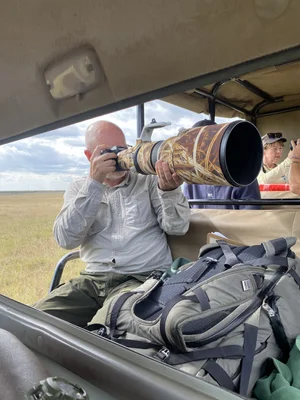
Photographing Wildlife on the Chobe River

While Chobe National Park offers excellent wildlife viewing from both land and water, the Chobe River provides one of the most distinctive wildlife photography environments in Africa.
The river forms the northern boundary of the park and becomes a lifeline for wildlife during the dry season. Elephants, buffalo, and other species regularly move down to drink, bathe, or cross the river, creating constant photographic opportunities.
For photographers, the real advantage is perspective. Unlike land-based safaris where you are elevated in a vehicle, photographing from a boat allows you to work much closer to eye level with your subjects. This simple change in angle can transform the feel of an image.
It was this opportunity to photograph wildlife along the river that led me to book a photography workshop with Pangolin Safaris.
The Pangolin houseboat experience
For the first three nights of the workshop we stayed aboard the Pangolin Voyager houseboat, positioned along different mooring points on the Chobe River.
The houseboat itself does not cruise continuously along the river. Instead it moves between designated mooring points, including one on the Namibian side, where it remains anchored overnight. The photography sessions themselves take place on Pangolin’s purpose-built photo boats, which are moored behind the houseboat or towed when the houseboat relocates.
The houseboat has five guest cabins on the lower deck, while the upper deck includes a lounge, dining area, and open sun deck. It quickly became a comfortable base between photography sessions.
Early mornings usually began with coffee on the deck before heading out onto the river. Evenings were spent recounting the day’s sightings, sharing photography tips, and swapping stories of past wildlife adventures. The atmosphere was relaxed and friendly, helped along by excellent food, attentive staff, and few cold beers or a glass of South African wine.
With the national park on the opposite bank of the river, evenings were often accompanied by the distant sounds of wildlife moving along the shoreline.
Photographing from the Pangolin photo boats
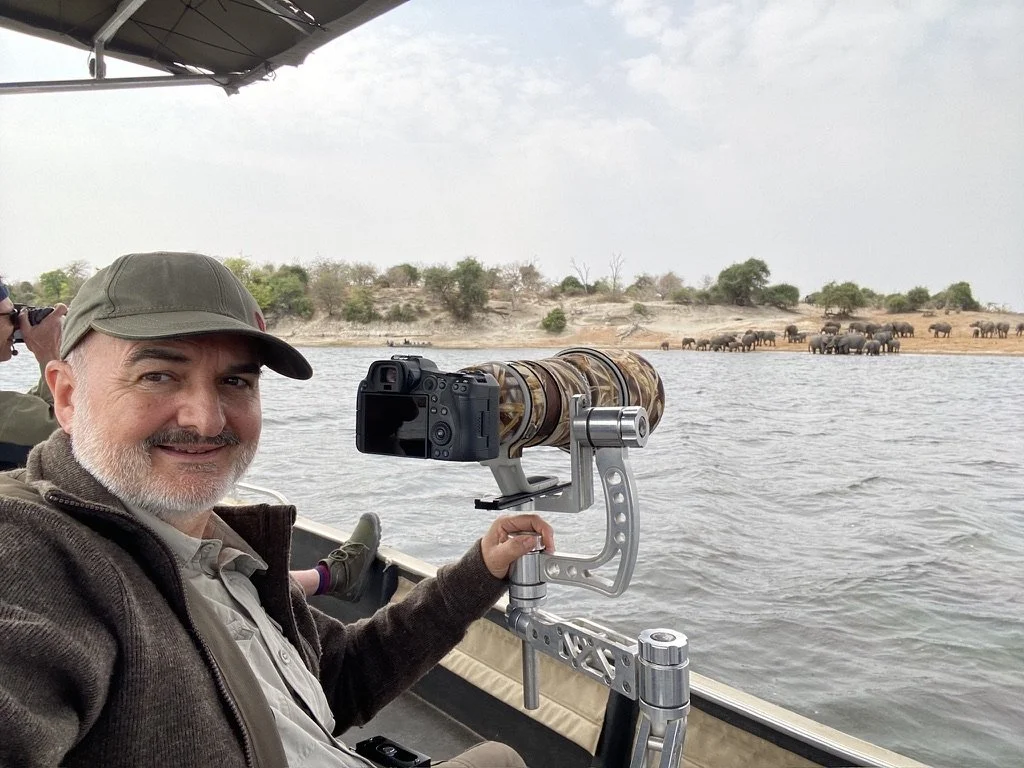
Photographing elephants at ‘Elephant Bay’ from the Pangolin Safari photo boat
Each morning and afternoon we headed out on Pangolin’s purpose-built photo boats, designed specifically for wildlife photographers.
Every guest has their own rotating seat fitted with a mounted gimbal head, allowing long lenses to be used comfortably and steadily. The boats are extremely stable and provide plenty of room for photographers to work.
One of the biggest advantages is the low shooting angle. Being close to the waterline produces far more intimate images than those taken from larger tourist boats.
Although the camera mounts are excellent, I often found myself sitting on the floor of the boat to achieve an even lower angle when photographing birds on the water. Resting my lens on the edge of the boat helped stabilise the camera while keeping the subject well separated from the background.
The guides were highly experienced and understood the needs of photographers, carefully positioning the boat to improve light, backgrounds, and shooting angles whenever possible.
Elephants and the river
One of the defining wildlife spectacles along the Chobe River is watching elephants interact with the water.
During the dry season the river becomes essential to their survival. Herds arrive to drink, bathe, and sometimes cross the river to reach grazing areas on the Namibian side.
Watching elephants swim is remarkable. Their bodies disappear beneath the surface while their trunks act like snorkels above the water.
At busy crossing points the herds often gather before entering the river. Calves stay close to the adults, sometimes holding onto the tails of older elephants as they move through the current.
Although we never approached the elephants too closely, the low perspective from the photo boats still allowed for powerful images of these moments.

Elephants crossing the Chobe River
Golden hour on the river

A magical sunset on the Chobe River
Some of the most memorable photographic opportunities came during the final hour of the day.
The open water and wide horizon create ideal conditions for silhouette photography. As the sun drops toward the horizon, elephants moving along the far bank or drinking at the water’s edge become perfect subjects against the glowing sky.
One evening I was photographing a lone elephant against the setting sun when another elephant slowly walked into the frame. I waited as the second animal moved closer until, for a brief moment, their trunks appeared to almost touch before pressing the shutter. It lasted only a second, but the alignment created one of my favourite photographs from the trip.
On another evening I photographed an African fish eagle perched in silhouette while an elephant moved quietly along the distant horizon, two icons of Africa sharing the same frame.
Moments like these reinforced the importance of patience and timing when photographing wildlife.
Birdlife along the Chobe River
The Chobe River is also exceptional for bird photography.
One particularly beautiful channel on the Namibian side of the river is known locally as “Lilyland”, where water lilies create ideal habitat for species such as the African jacana.
Watching jacanas carefully step across the lily pads while searching for insects was a constant highlight. Their behaviour offered wonderful photographic opportunities as they moved between flowers and leaves.
Other memorable sightings included malachite kingfishers perched along the water’s edge, pied kingfishers hovering before diving for fish, giant kingfishers along the riverbanks, and African openbill storks feeding on snails.
African fish eagles were also a constant presence, their unmistakable calls echoing across the river throughout the day.

African Jacana searching for food amongst the lily-pads
Other wildlife encounters
The river also produced memorable encounters with other species.
We spent time watching pods of hippos resting in the water and once encountered a large crocodile lying near the top of a steep riverbank. Because of our position in the boat, the crocodile was almost level with us and appeared enormous from nose to tail.
Moments like that remind you just how powerful these animals are.
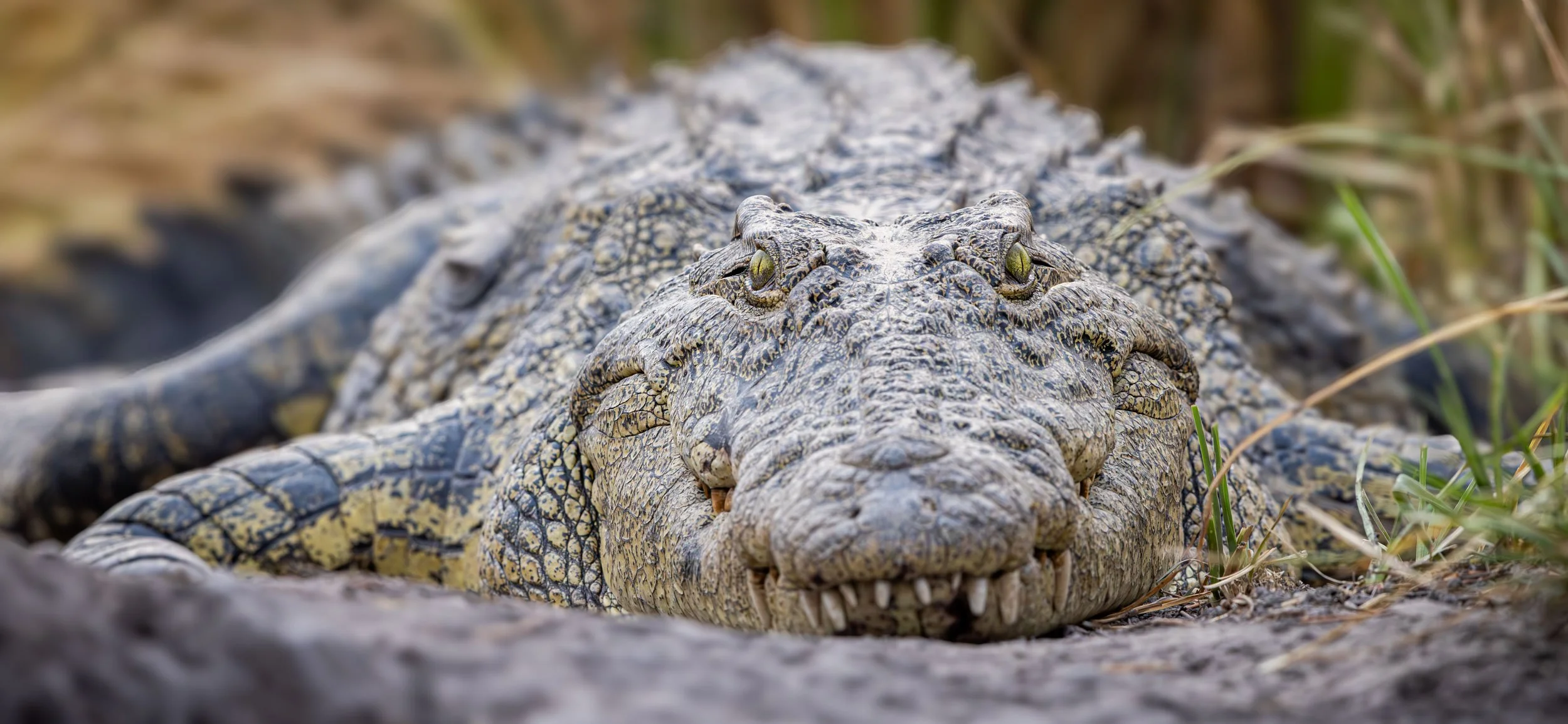
“We’re gonna need a bigger boat!” - Face to face with a large Nile Crocodile
Final thoughts
The Chobe River offers one of the most rewarding wildlife photography environments in Africa.
The combination of excellent wildlife density, low shooting angles, and specialist photo boats creates conditions that are difficult to replicate elsewhere.
While my visit to Chobe included both land-based and river-based safaris, it was the time spent on the river that produced some of the most memorable photographic moments of the trip.
For a different perspective on photographing wildlife in Chobe National Park, see my land-based guide to photographing wildlife in Chobe.
Whatever you photograph, have fun.
If you’re planning your own Chobe River photography trip
The dry season brings large numbers of animals to the river
Dedicated photography boats offer clear advantages over standard tourist cruises
Low shooting angles can dramatically improve wildlife images
Golden hour on the river offers exceptional silhouette opportunities
Patience often produces the best wildlife behaviour
Useful links
This guide is part of my On Location wildlife photography series, where I share practical advice and real life experiences from photographing wildlife in the UK, Europe and Africa.