
On Location
A collection of wildlife photography guides based on real experiences in the field.
Wildlife photography is an incredible way to connect with nature, but it can also feel daunting when you are just starting out. Over the years I have been fortunate to learn from both professional and amateur photographers who generously shared their knowledge of locations, techniques, and equipment. Their advice saved me time, helped me improve faster, and gave me the confidence to try new approaches.
This section of the website is my way of passing that knowledge on. The guides here reflect what it is actually like to photograph wildlife on location, from planning and preparation through to adapting when conditions, behaviour, or light do not unfold as expected.
Alongside what worked well, I also share challenges, mistakes, and lessons learned, with the aim of helping others prepare more effectively and approach wildlife photography with realistic expectations. The content sits somewhere between story and practical guidance, shaped by time spent observing, waiting, and learning in the field.
If you have questions, observations, or experiences of your own, I encourage you to share them in the comments so others can learn too. You are also very welcome to get in touch with me directly if you would like to ask a question or discuss a particular location or situation in more detail.
Search Guides
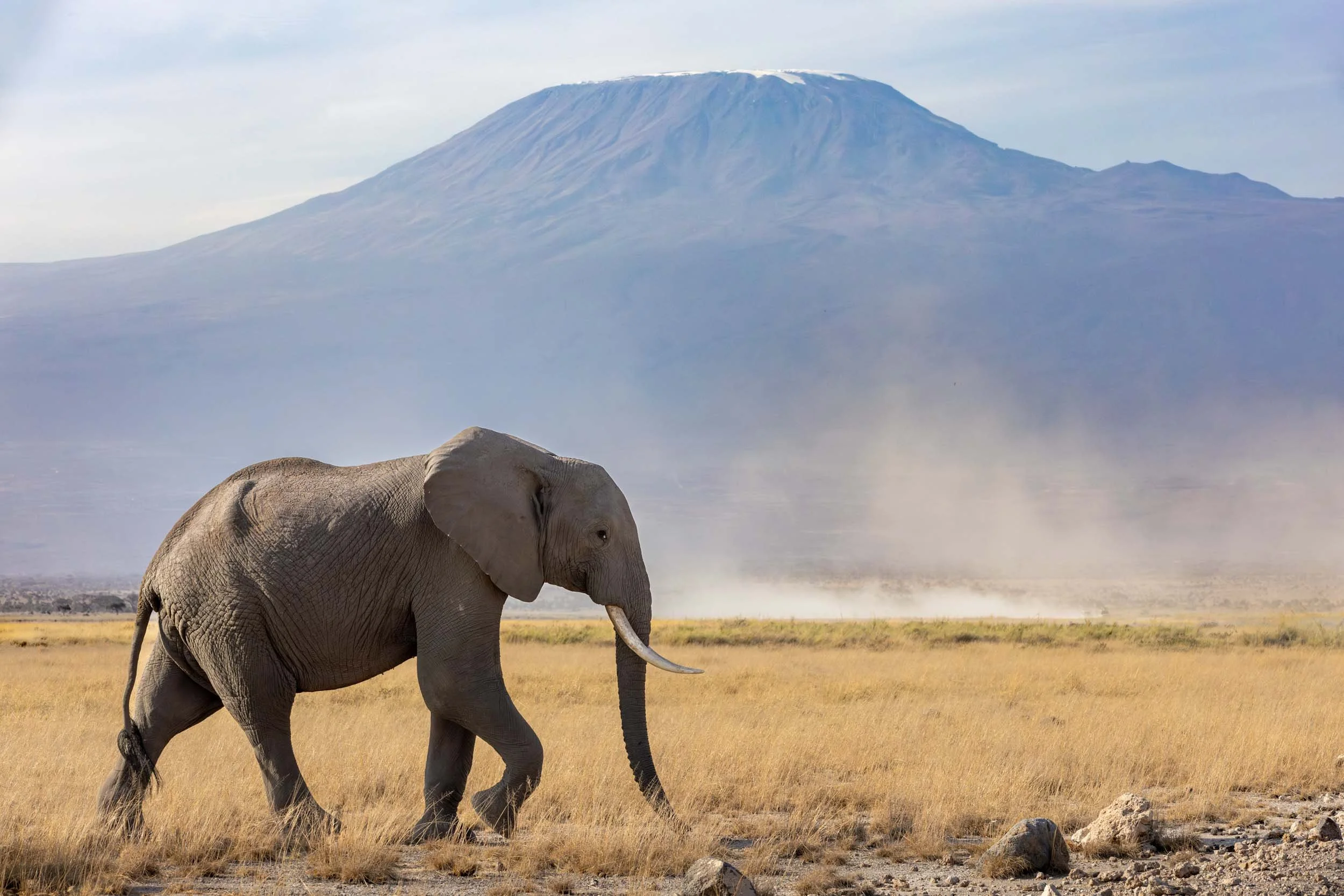
Amboseli National Park, Kenya
A wildlife photography guide to Amboseli National Park, exploring elephants, big tuskers, Mount Kilimanjaro backdrops, and lessons learned when a safari does not go to plan.
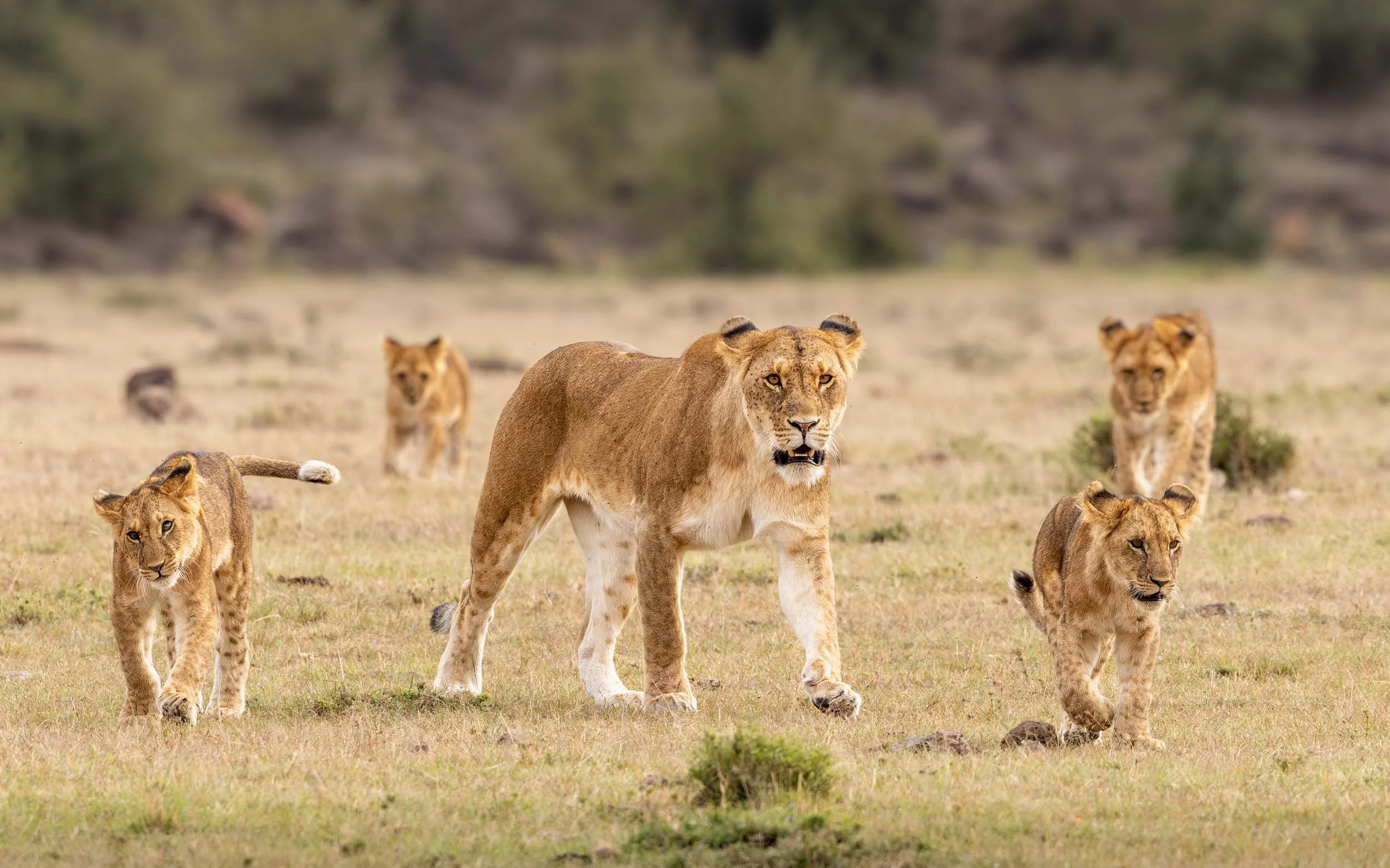
Kenya Big Cat Conservation & Volunteering Guide
A first-hand account of volunteering on a big cat conservation project in the Greater Maasai Mara ecosystem and what wildlife photographers can learn from the experience.

Photographing Wildlife at Nairobi National Park
Photographing wildlife at Nairobi National Park offers a rare opportunity to capture rhinos and other animals against the skyline of Kenya’s capital city. A first safari experience before travelling west to begin conservation volunteering.

Photographing Wildlife on the Chobe River
A river-based wildlife photography guide to the Chobe River, covering Pangolin photo boats, elephant behaviour, birdlife, and sunset photography opportunities.

Photographing Wildlife in Chobe National Park
A land-based wildlife photography guide to Chobe National Park, including leopard encounters, lion behaviour, and the realities of photographing predators from safari vehicles.

Photographing Brown Bears in Slovenia
A guide to photographing European brown bears in Slovenia, including hide photography, fieldcraft, and what to expect from one of Europe’s best bear locations.

Photographing Kingfishers at Paid Hides
An honest reflection on photographing diving kingfishers at paid hides in the UK. This guide explores the experience, camera setup, ethical considerations, and how these encounters can inspire a deeper interest in wildlife photography.
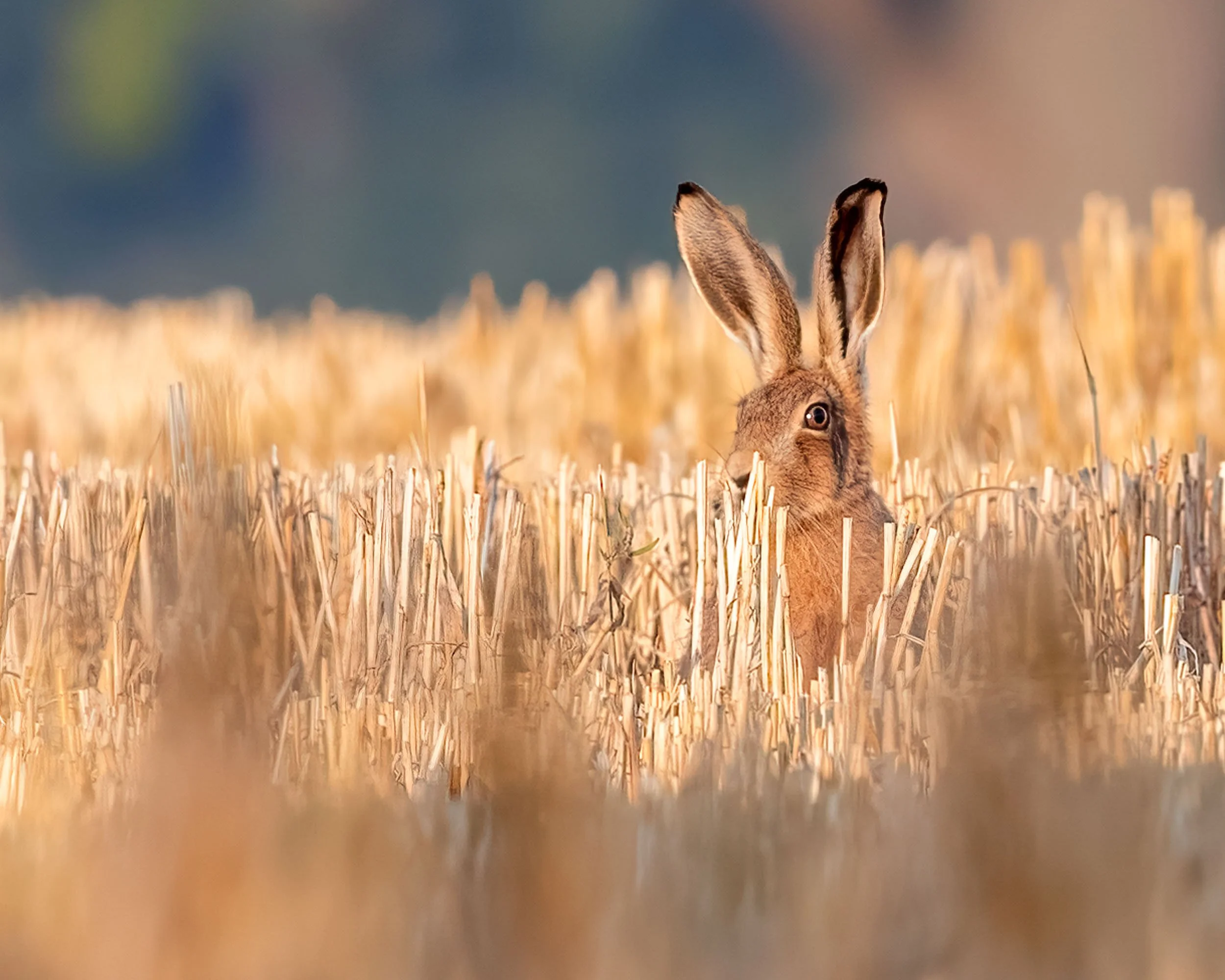
Photographing Brown Hares
A practical guide to photographing brown hares in the UK, based on my experiences in Shropshire, Norfolk and Scotland, with advice on timing, fieldcraft, using a car as a hide, and photographing responsibly on farmland.

Photographing Gannets at Bempton Cliffs
A wildlife photography guide to Bempton Cliffs, one of the UK’s best seabird colonies, with tips for photographing gannets, puffins, and other cliff-nesting species.
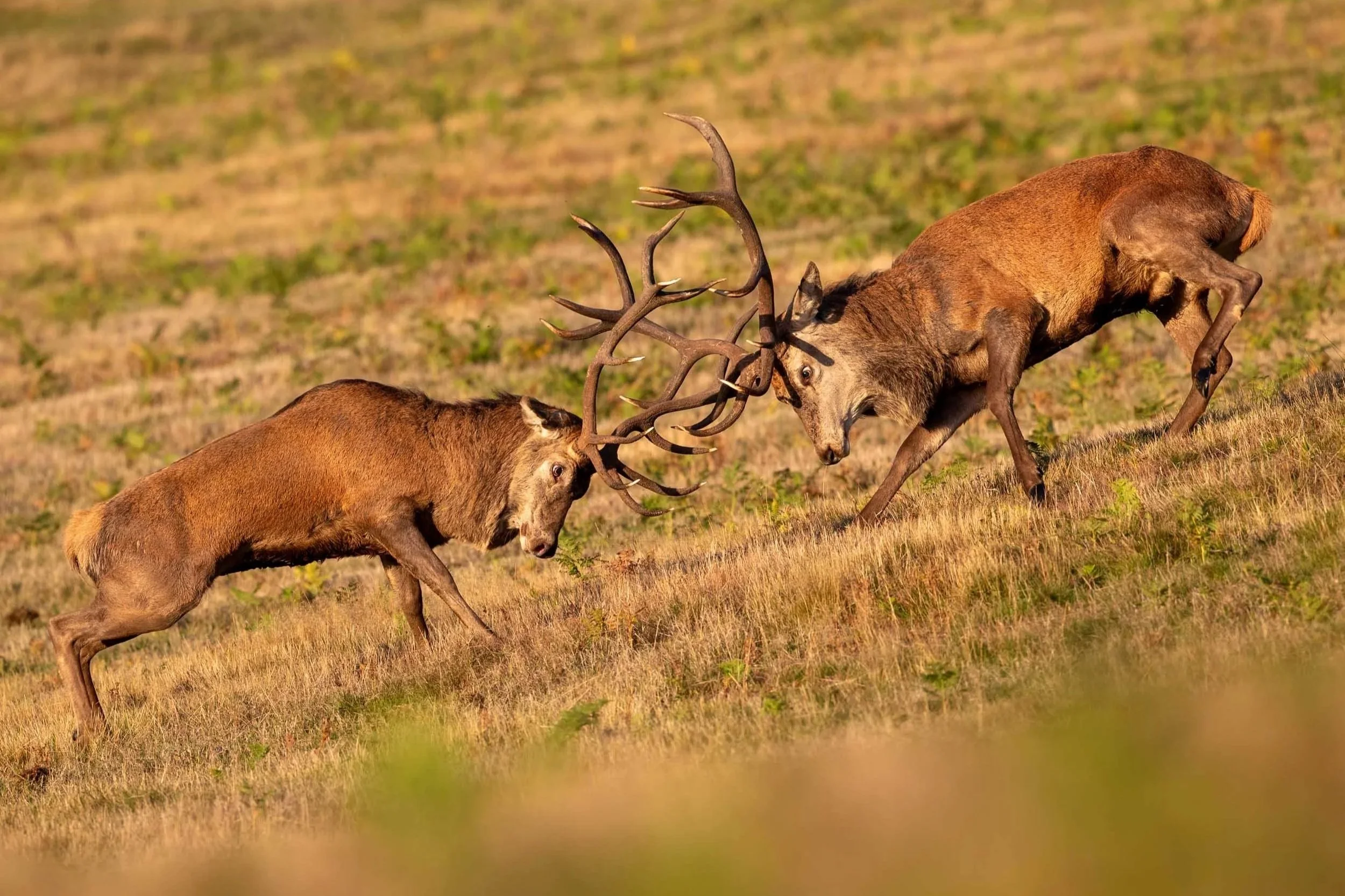
Photographing the Red Deer Rut in the UK
Photographing the red deer rut is one of the great wildlife experiences in the UK. In this guide I share my experience of photographing rutting stags at Bradgate Park, along with practical advice on timing, safety, camera gear and the kinds of behaviour and atmosphere to look for.
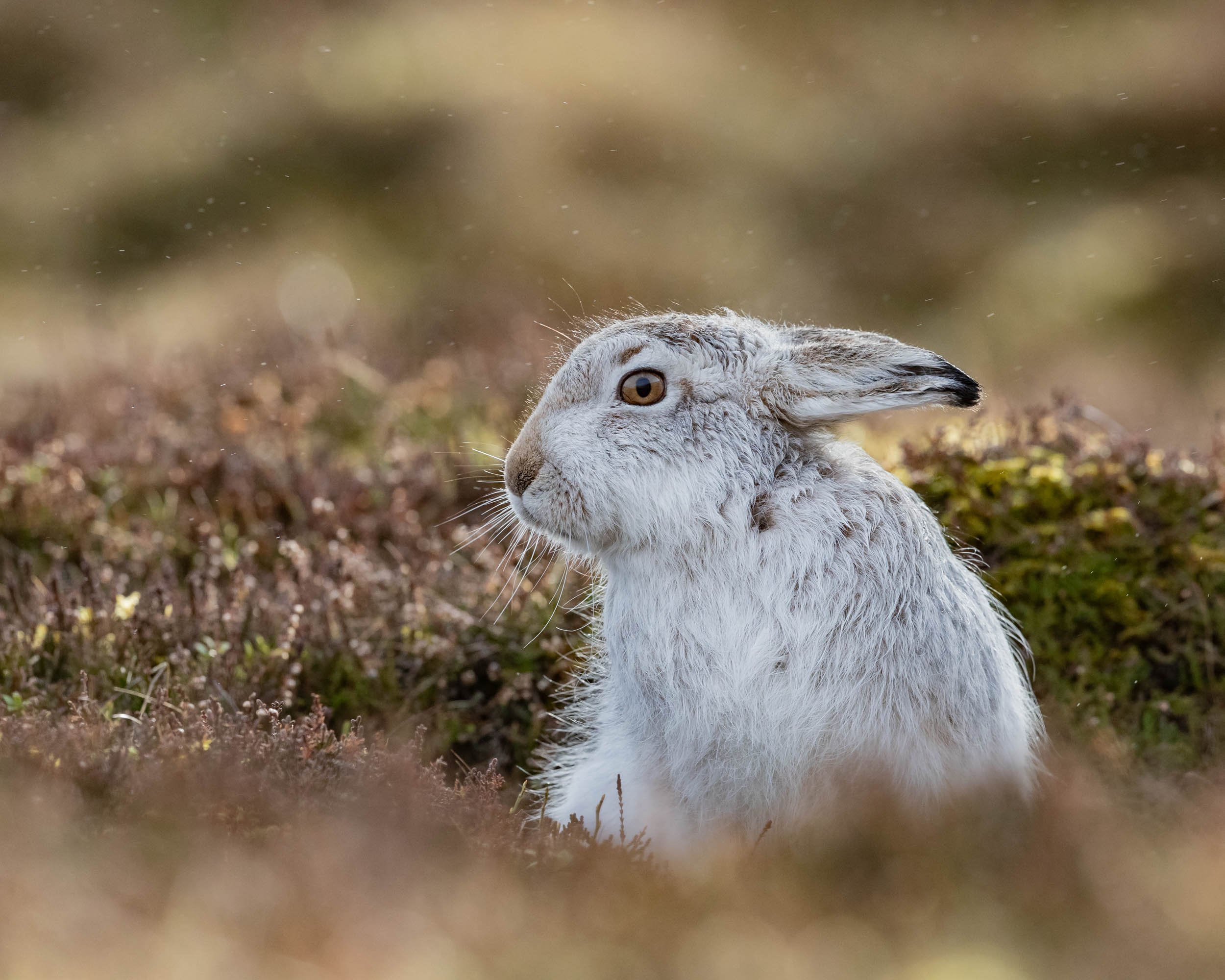
Photographing Mountain Hares
A field guide to photographing mountain hares in the Scottish Highlands, including fieldcraft, seasonal behaviour, and the realities of working in harsh winter conditions.
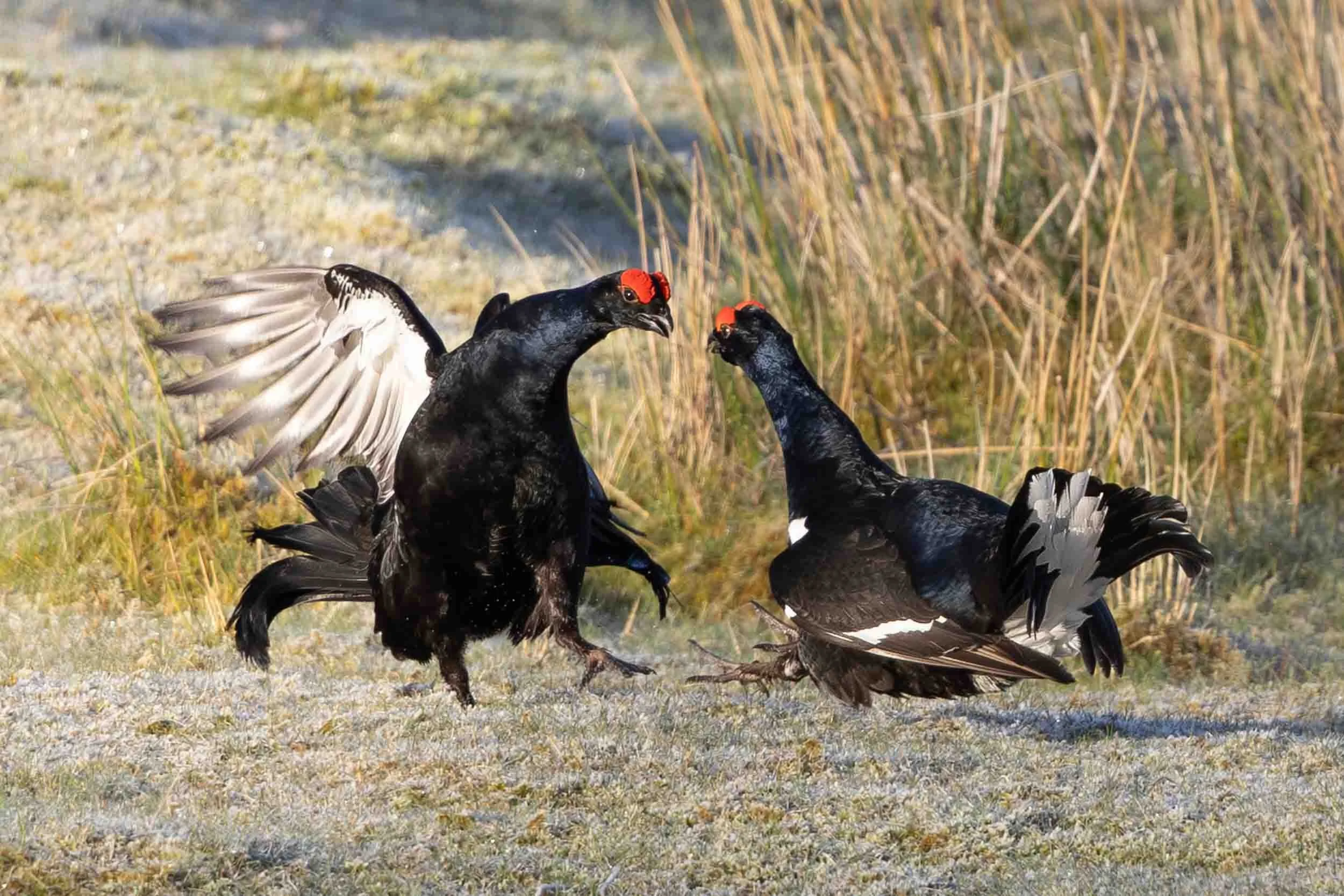
Photographing the Black Grouse Lek
Photographing the black grouse lek is one of the UK’s most unusual wildlife experiences. In this guide I share my visits to World’s End in North Wales, along with practical advice on timing, ethics, car-based viewing, and the challenges of photographing this remarkable spring display responsibly.
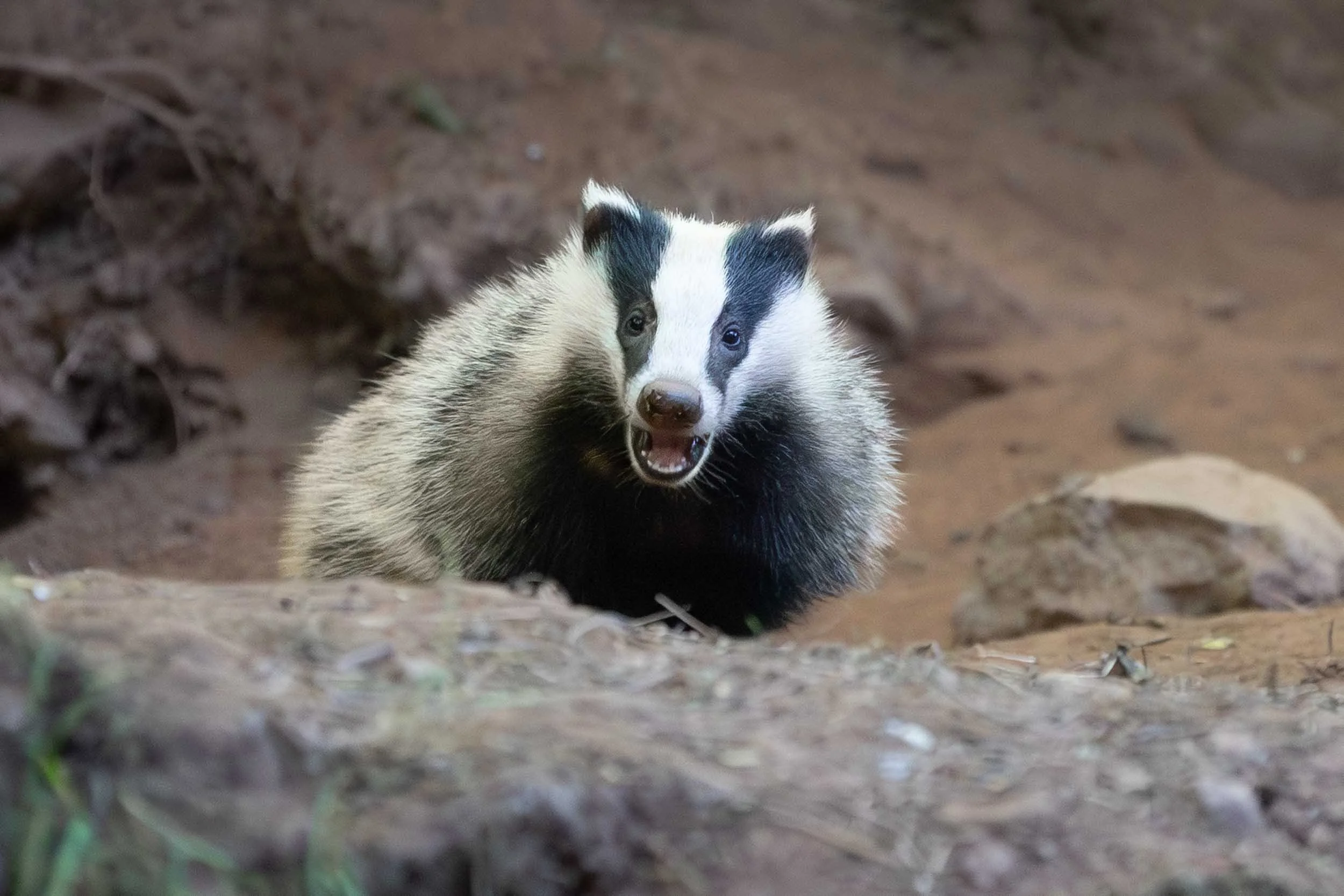
Photographing Badgers in the UK
Badger photography can be one of the most rewarding wildlife experiences in the UK, but it also demands patience, fieldcraft and responsibility. In this guide I share my experience of monitoring and photographing badgers in Shropshire, from recognising an active sett to working in low light and always putting welfare first.

Photographing Puffins on Skomer Island
A photography guide to Skomer Island, famous for its puffins, seabirds, and close wildlife encounters along the spectacular Pembrokeshire coastline.
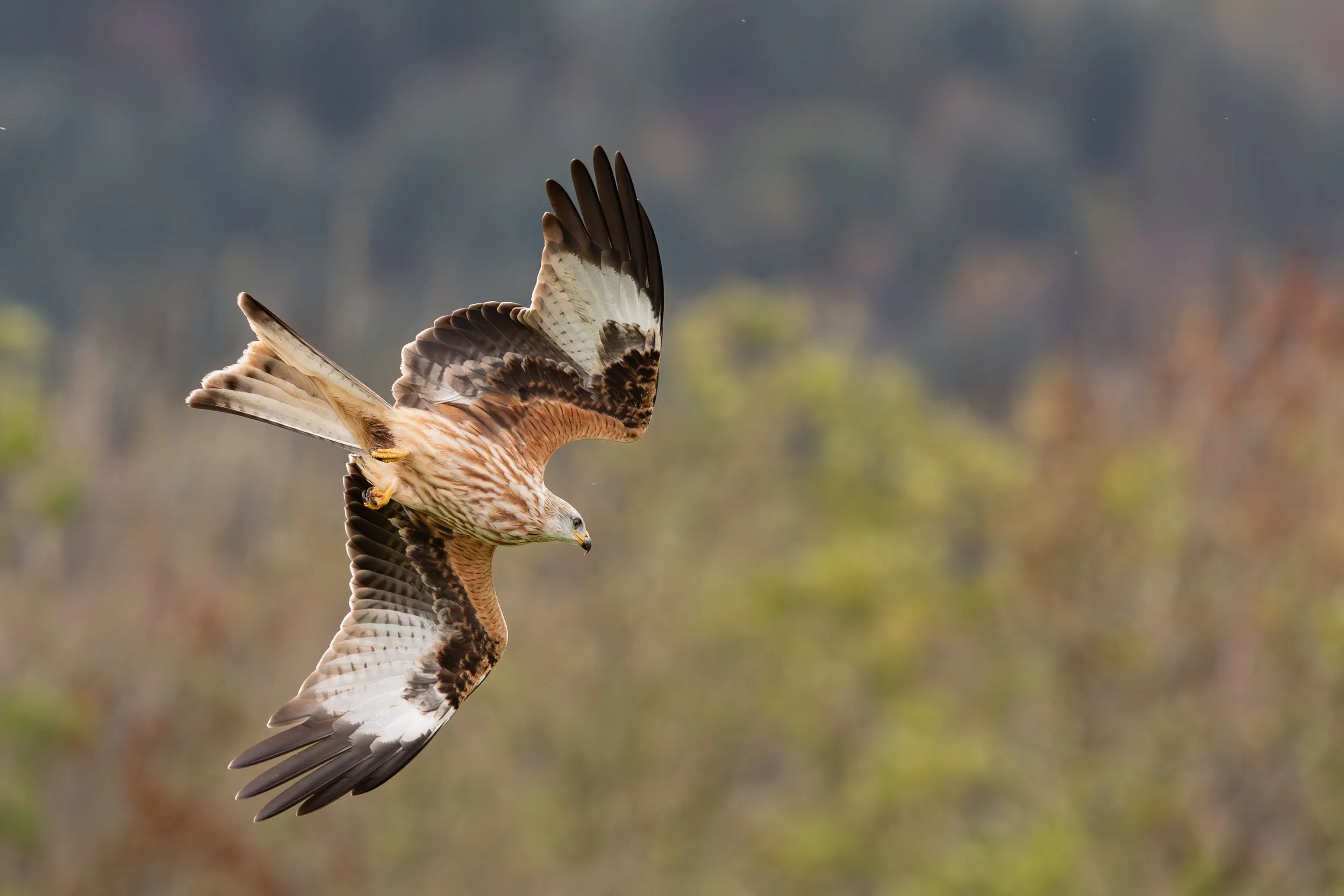
Photographing Red Kites in the UK
A guide to photographing red kites in the UK, exploring their remarkable conservation comeback, popular feeding stations, and practical tips for capturing dramatic flight images.

Photographing Adders in the UK
A field guide to photographing adders in the UK, including ethical wildlife photography practices, behaviour to look for in the field, and practical tips for observing this secretive and increasingly vulnerable reptile species.