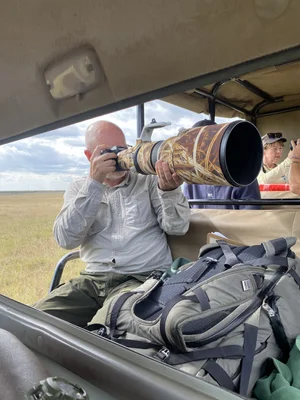
Photographing Red Kites in the UK
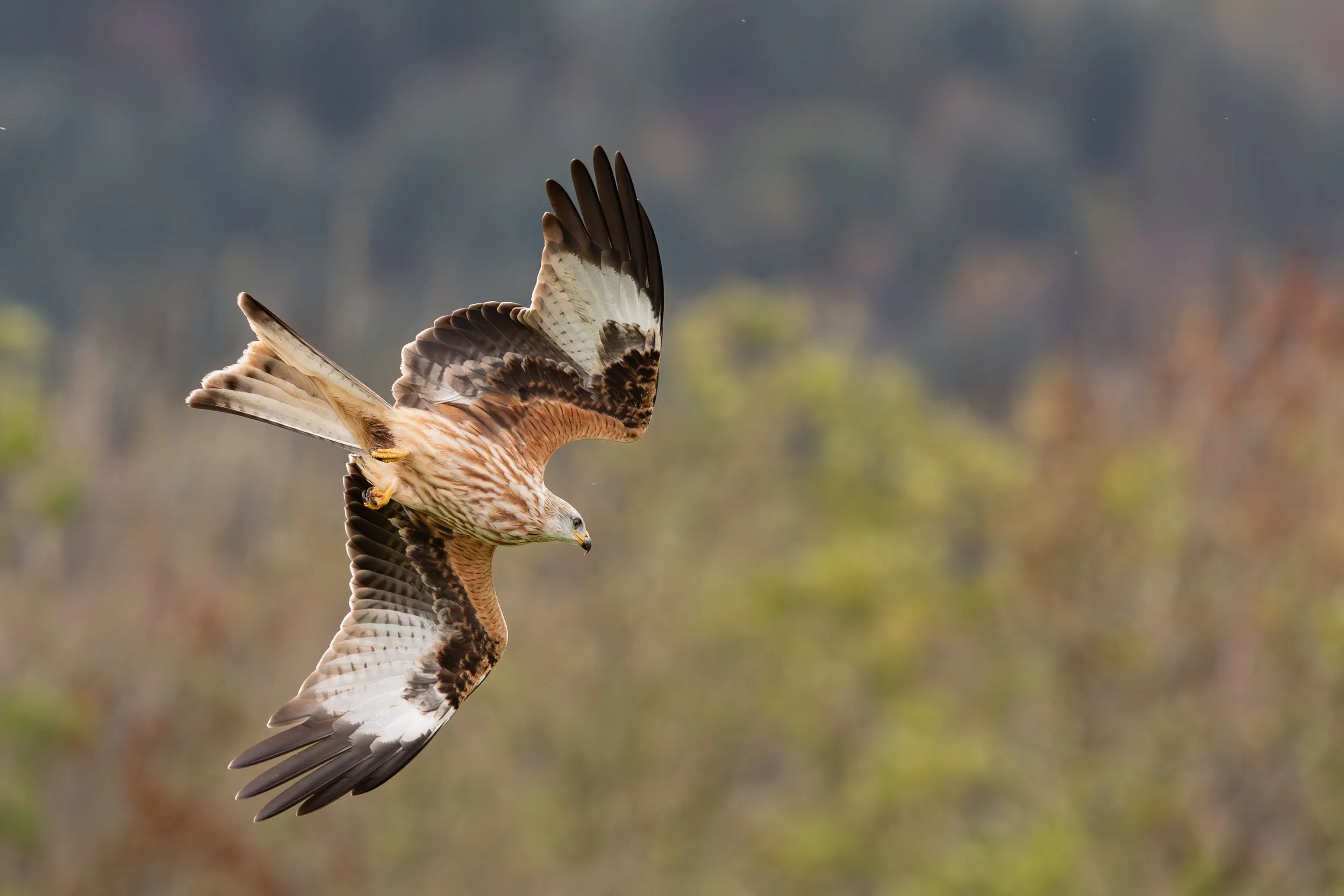
Red kites are one of my favourite birds of prey. Over the years I have been fortunate enough to witness their remarkable recovery across the UK, and today it is not unusual to see them soaring over the countryside or even passing over my home in Shropshire.
Their graceful flight, distinctive forked tail, and haunting mewing call make them one of the most recognisable raptors in Britain. For wildlife photographers they offer fantastic opportunities to capture dramatic flight images, particularly around some of the well-known feeding stations that have become popular across the country.
The story of the red kite’s recovery is also one of the UK’s most inspiring conservation successes.
A conservation success story
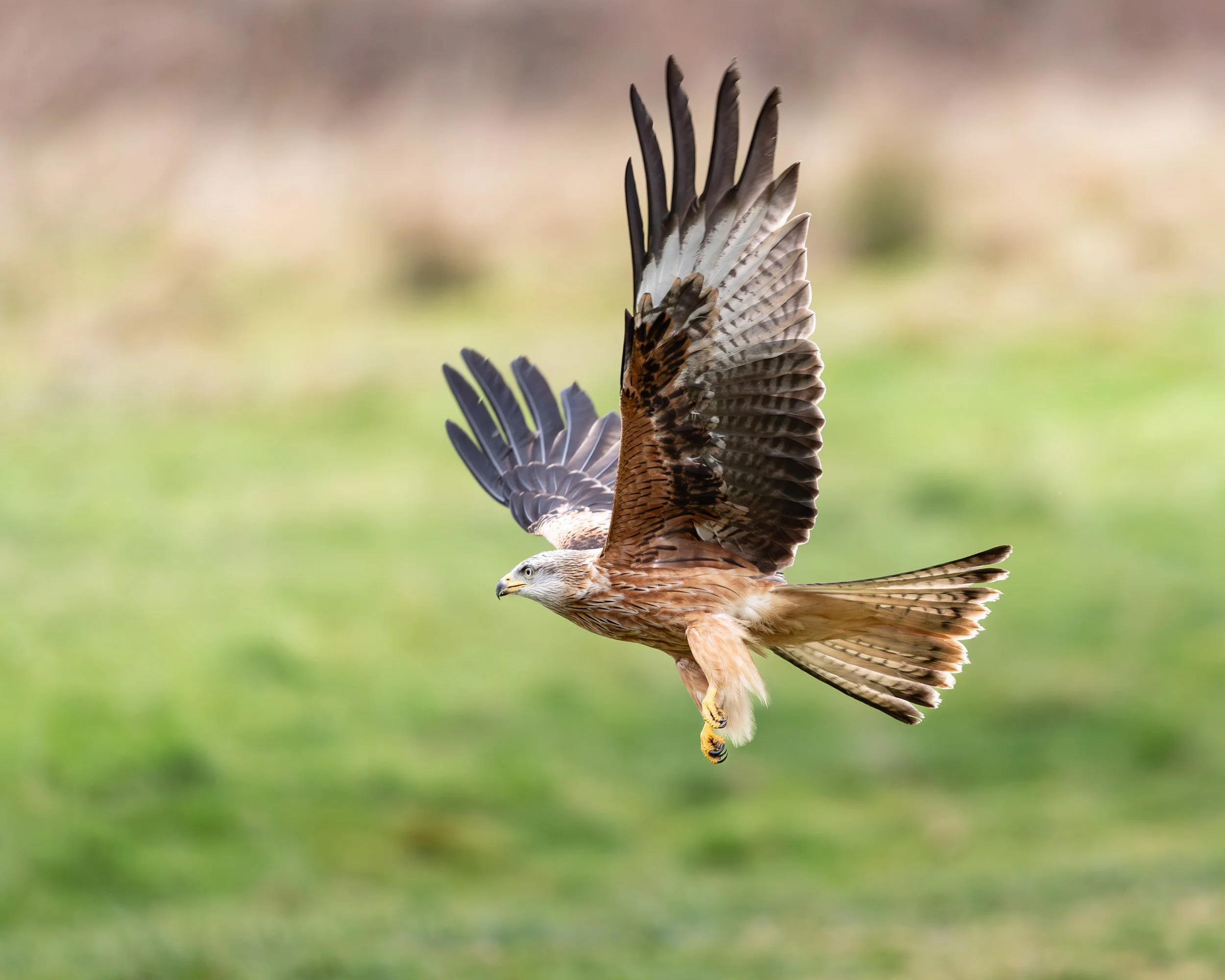
Red kite photographed at Gigrin Farm Red Kite Feeding Station in Wales
Red kites were once widespread across Britain and were a familiar sight even in towns and cities. In Shakespeare’s London they were known as scavengers that helped clean the streets by feeding on scraps and carrion.
However, centuries of persecution, poisoning, and egg collecting led to a catastrophic decline.
By the early twentieth century the UK population had collapsed to just a handful of breeding pairs in remote parts of Wales.
Large-scale conservation efforts began in the late 1980s, with red kites being reintroduced to parts of England and Scotland using birds from Spain and Sweden. These projects proved extremely successful, and the population has expanded dramatically in the decades since.
Today the UK hosts a significant proportion of the global red kite population, and sightings are now common across much of the country.
Identifying red kites
Red kites are distinctive birds and relatively easy to identify once you become familiar with them.
Their long wings and deeply forked reddish-brown tail make them stand out from other birds of prey. In flight they often glide effortlessly, using subtle twists of their forked tail to steer.
They are not particularly powerful hunters. Their talons are relatively weak compared with other raptors, and much of their diet consists of carrion, roadkill, and small animals such as worms or rodents.
Their high-pitched mewing call is also very distinctive and often alerts you to their presence before you see them.
Feeding stations and photography opportunities
Several red kite feeding stations have been established across the UK and have become popular destinations for wildlife enthusiasts and photographers.
Sites such as Gigrin Farm in Wales, Llanddesusant Red Kite Feeding Station in Wales, Argaty Red Kite Project in Scotland, and the Red Kite Centre in Laurieston, Scotland attract large numbers of birds to daily feeding events.
At some locations hundreds of red kites can gather as food is scattered across fields, creating spectacular aerial displays.
For photographers these feeding stations offer exceptional opportunities to capture close-range flight images. Birds swoop down rapidly to grab food from the ground, often competing with other kites in mid-air.
Many locations provide dedicated hides or viewing areas that allow photographers to shoot from eye level or slightly elevated positions while keeping a safe distance from the birds.
The predictable timing of feeding sessions also allows photographers to plan their visits around weather and light conditions.
Are feeding stations necessary?
While feeding stations have become extremely popular, some conservation organisations have questioned whether supplementary feeding is still necessary now that the red kite population has recovered so successfully.
Organisations such as the British Trust for Ornithology have suggested that feeding stations are no longer essential for conservation and could potentially make birds more reliant on human-provided food sources.
However, feeding stations continue to play an important role in public engagement, education, and wildlife tourism. They allow people to see these magnificent birds up close and help raise awareness of one of the UK’s most successful conservation stories.
My experience photographing red kites
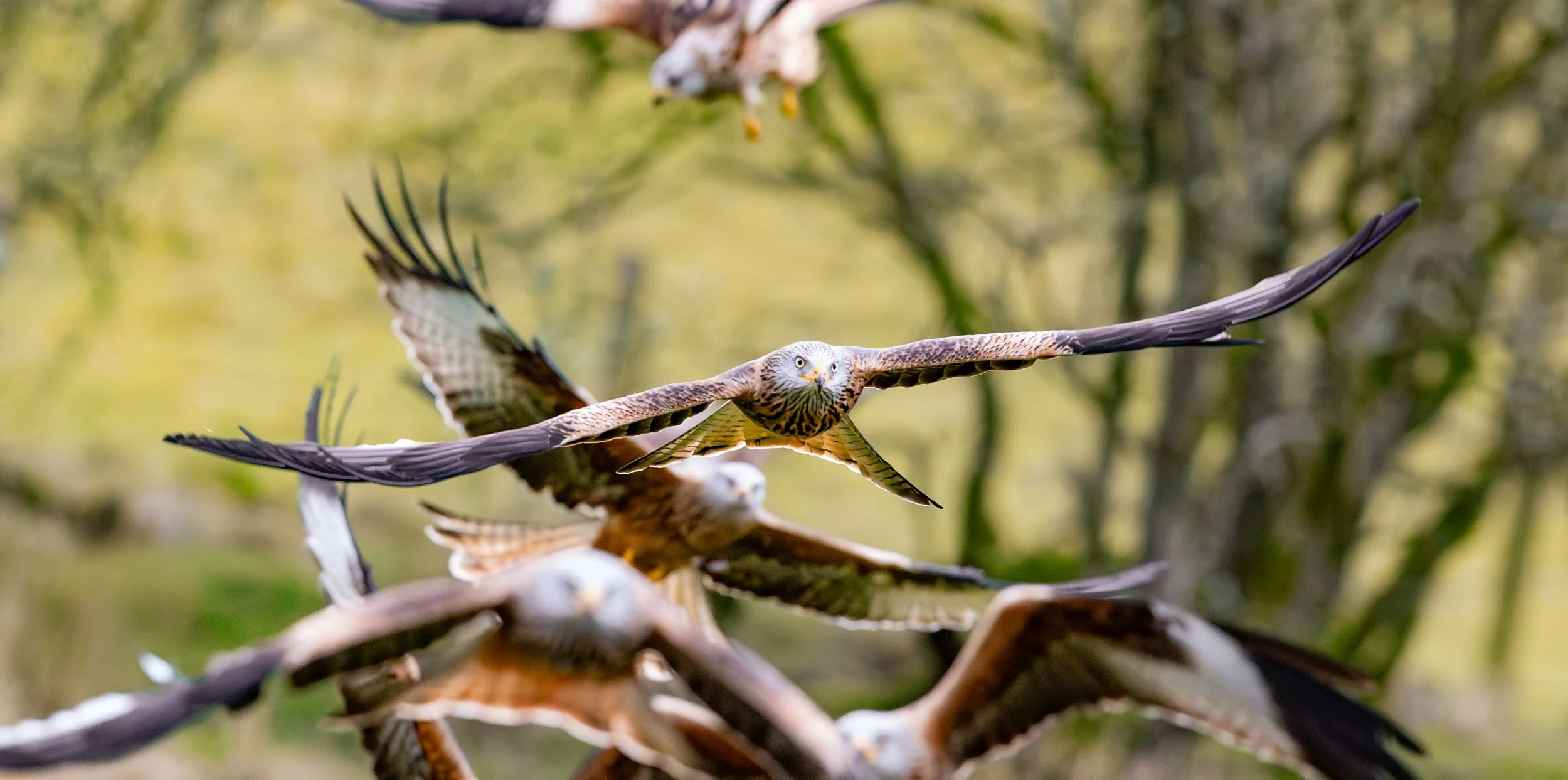
Selective focus of a individual red kite
I have visited Gigrin Farm in Wales several times and photographed red kites from both the tower hide and the low-level photographic hides.
One visit in December 2018 stands out in particular. My son William and I arrived to discover that we had the hide completely to ourselves, which felt remarkable given how popular the location normally is.
As the scheduled feeding time of 2:00pm approached, the birds began to gather along with a mixture of corvids. Within minutes the sky filled with red kites circling above the feeding area. At the peak of activity we counted more than 250 birds.
It was an incredible spectacle and a real feeding frenzy once the food was distributed.
Unfortunately the light that day was very poor. To maintain the shutter speeds needed to freeze birds in flight I had to push the ISO far higher than I would normally prefer, which limited the quality of many of the images. Even so, the experience itself was unforgettable.
I also visited Red Kite Centre in Laurieston, Dumfries during a trip to Scotland in October 2020. On that occasion I photographed red kites soaring against an autumnal sky, which remains one of my favourite flight images of the species.
At feeding stations like these the main challenge for photographers is managing the chaos of dozens of birds moving in different directions.
One technique that works well is to select a single bird and track it through the viewfinder rather than trying to follow the entire flock.
Flight paths can change suddenly as birds dive for food or attempt to steal food from one another. These moments often create dramatic wing shapes and striking mid-air interactions.
On one visit to Gigrin Farm I was fortunate enough to photograph a leucistic red kite. These birds have a genetic condition that causes partial loss of pigment, producing unusually pale or white plumage while retaining normal eye and bill colour. They are extremely rare, and seeing one among the hundreds of normally coloured birds was an unexpected highlight of the visit.
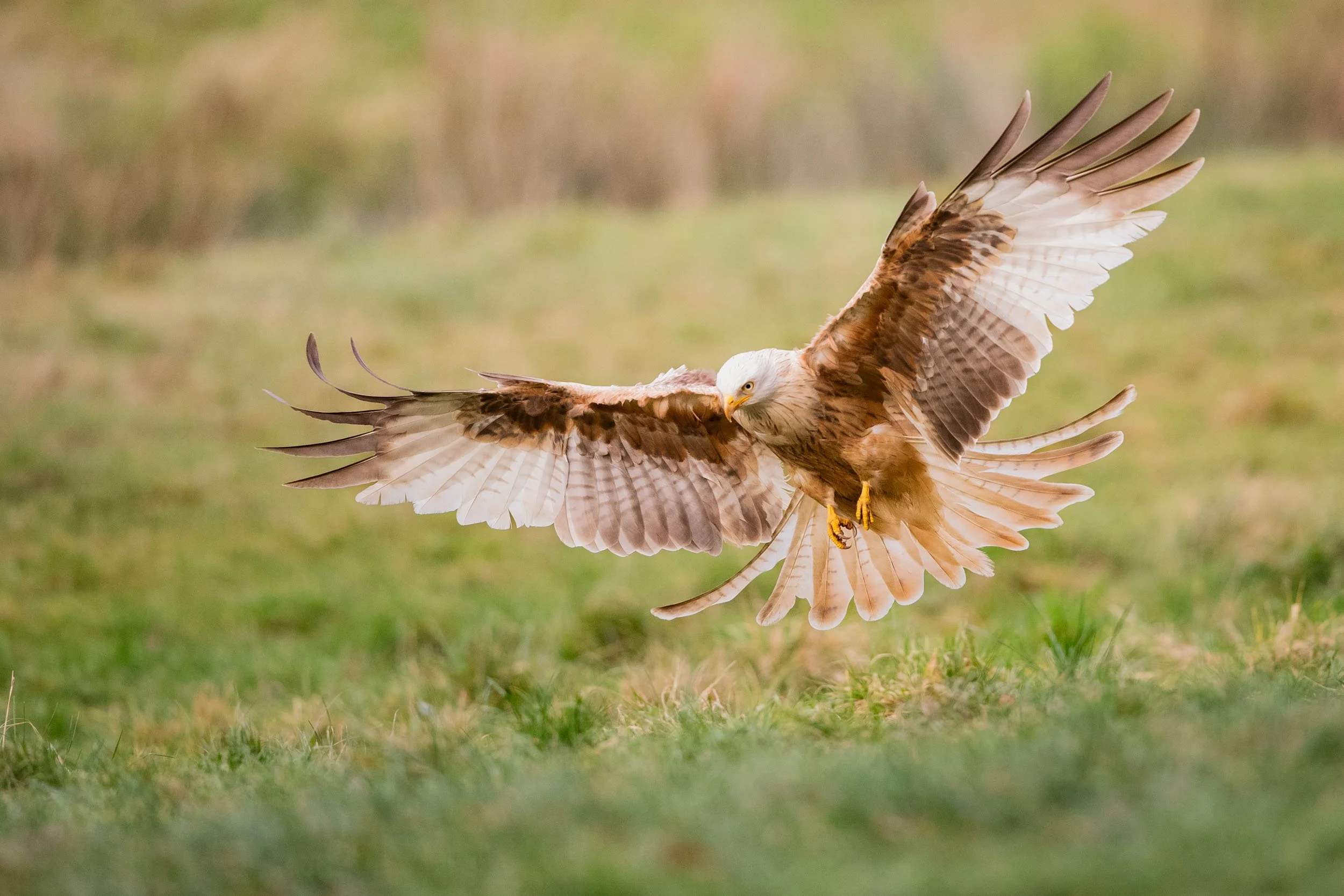
A rare leucistic red kite photographed at Gigrin Farm Red Kite Feeding Station in Wales
When to visit
Red kite feeding stations operate throughout the year, but the photographic experience can vary depending on the season.
Winter often brings the largest gatherings of birds as food becomes scarcer in the countryside. However, winter light can be flat and weather conditions challenging.
Personally I enjoy visiting during autumn. The birds are still active, but the surrounding trees provide rich seasonal colours that create beautiful out-of-focus backgrounds for flight photography.
Good light can make a huge difference when photographing birds in flight, so it is always worth staying later in the day when conditions allow.
Tips for photographing red kites
Use a telephoto lens in the 300–500mm range for flight photography
Use fast shutter speeds of 1/1000 second or higher to freeze wing movement
Continuous autofocus and burst shooting help track fast-moving birds
Try to follow a single bird rather than the entire flock
Watch for moments when birds dive or interact in mid-air
Handholding often works well for tracking unpredictable flight paths
Look for opportunities to use landscape and background colours to add interest
Would you like help photographing red kites at Gigrin Farm?
If you would like practical support with red kite flight photography, I offer a small group workshop at Gigrin Farm, based from the Gateway Photography Hide booked exclusively for the group.
The session includes guidance on camera settings, autofocus, shutter speed, exposure, composition and reviewing your approach during the feeding session.
Final thoughts
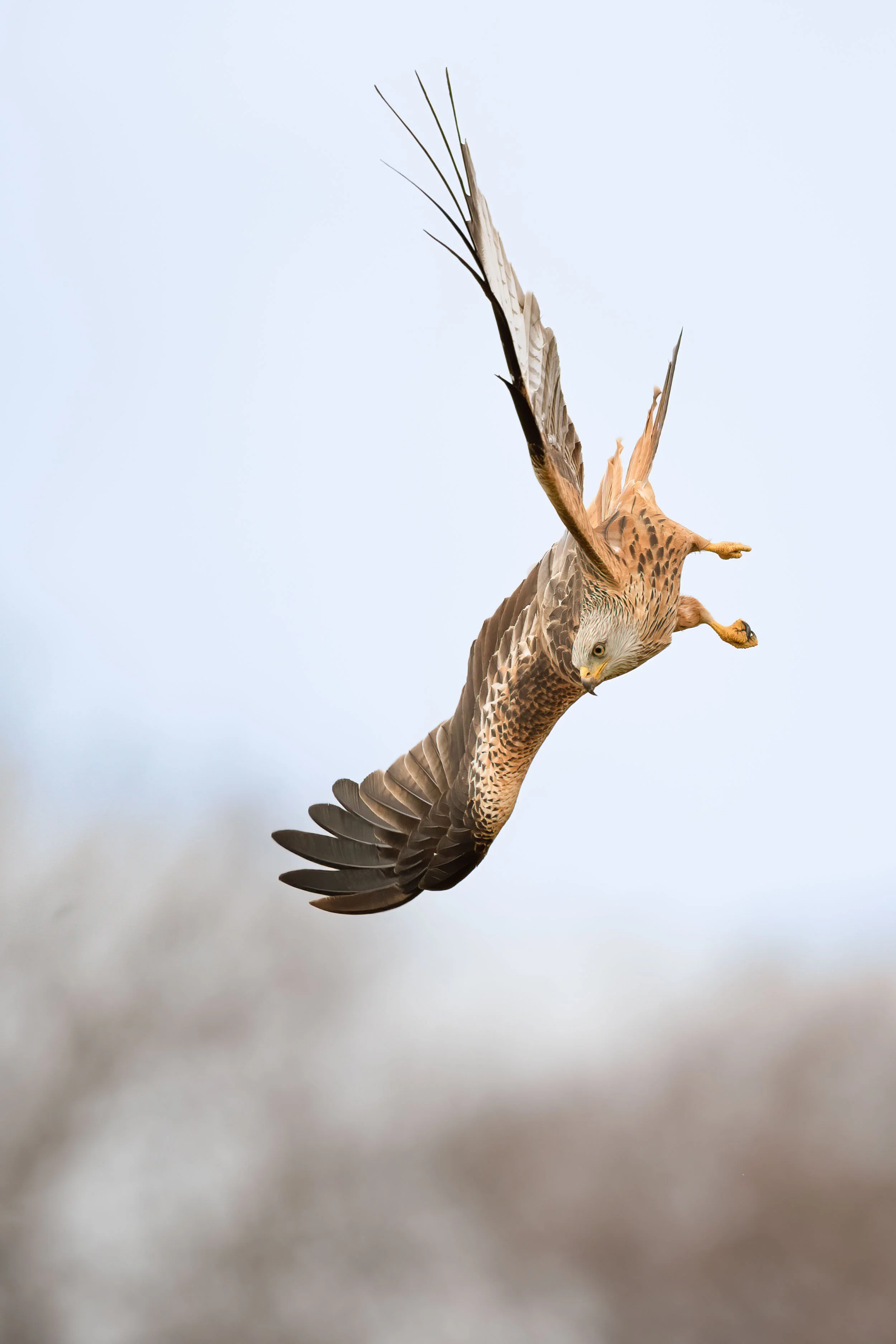
An acrobatic dive from a red kite photographed at Gigrin Farm
Red kites are one of Britain’s most inspiring wildlife success stories.
Their recovery from near extinction to becoming a familiar sight across much of the UK is a testament to the power of conservation and long-term protection.
For wildlife photographers they also provide wonderful opportunities to capture dramatic flight images and observe fascinating behaviour.
Whether seen soaring above the countryside or gathered in large numbers at feeding stations, red kites remain one of the most captivating birds of prey to photograph in the UK.
Whatever you photograph, have fun.
If you are planning your own visit
Check feeding times in advance as many stations operate at fixed times each day
Arrive early to secure a good position in hides or viewing areas
Be prepared for fast-moving action and rapidly changing flight paths
Consider visiting during different seasons to vary backgrounds and light
Respect site rules and follow guidance from staff